We are well into the Christmas season now and you have probably seen more than a few robins by now. Today we’re going to explore how robins became such an integral part of Christmas.
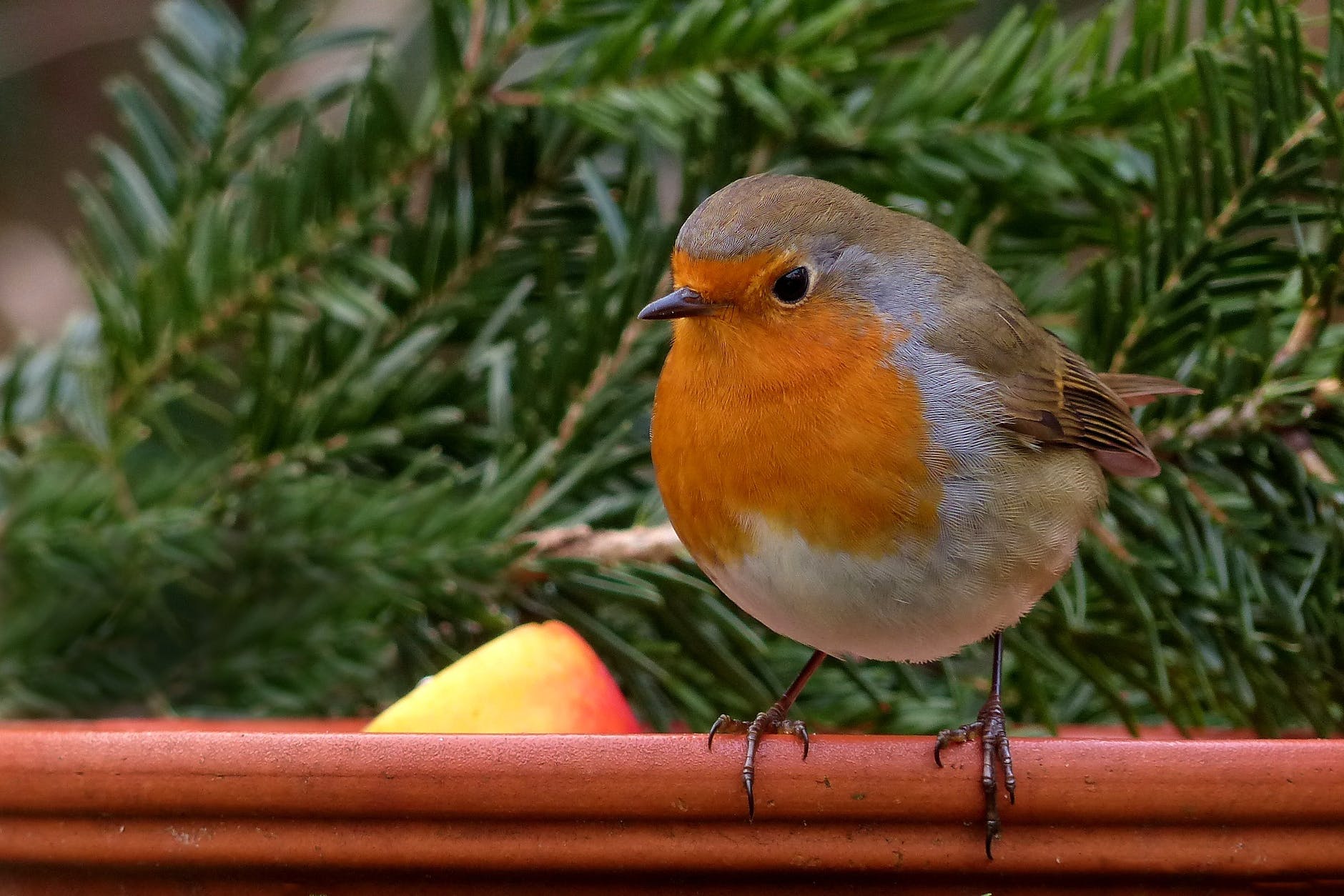
So just to be clear, we are talking about the European robin. This guy is one of the most common garden birds and can be recognized by the red-orange colouring on their chest and face. They are one of the few birds who sing throughout the year which is one of the reasons why they are associated with winter.
I could happily sit here and talk about robins for hours. But I will show some restraint and simply say that robins are far more aggressive than you might think. And they usually sing to warn others to stay away from their territory. And they want to fight you (probably).
But how did they become so synonymous with Christmas?
Well for one, robins are often associated with Christianity.
A well-known myth explains that the robin’s red chest is a result of the robin trying to help Christ. The robin tried to remove thorns from Christ’s crown of thorns. His white chest was stained red by drops of Christ’s blood and robins have had red chests ever since.
A similar myth crafts an earlier connection between the two, and suggests that the robin’s chest is red because it is singed from keeping the fire alight in the manger. It did this to keep baby Jesus warm. There is an Irish variation of this myth where a young boy falls asleep in the woods and the robin keeps the boy’s fire going through the night. The fire singed the robin and that is why robins have red chests.
These stories both link the robin with Christianity, and they establish the robin as an empathetic bird that protects and cares for others.
“When Robins Appear, Loved Ones Are Near“
This rhyme which can be found on numerous decorations and cards is another reason why robins are so connected to Christmas. There is a commonly held belief that robins are messengers or guardians sent by loved ones who are no longer with us.
This tradition that links robins with death comes from a few different sources. As I said earlier, robins are viewed as empathetic birds who look after humans. Also, robins were seen scattering leaves and twigs over gravesides which led to the belief that robins covered the dead with leaves as a mark of respect for them.
And as we are encouraged to think about friends and family at Christmas, it’s natural to think about friends and family who are no longer here.
The final reason Christmas is associated with robins is because of the Victorian postal service.
England, in the 1840s, had a new postal system known as the ‘Penny Post’. This new system allowed people to postcards or letters for a penny. To promote the service, Sir Henry Cole commissioned special cards that could be sent to friends and family using this service.
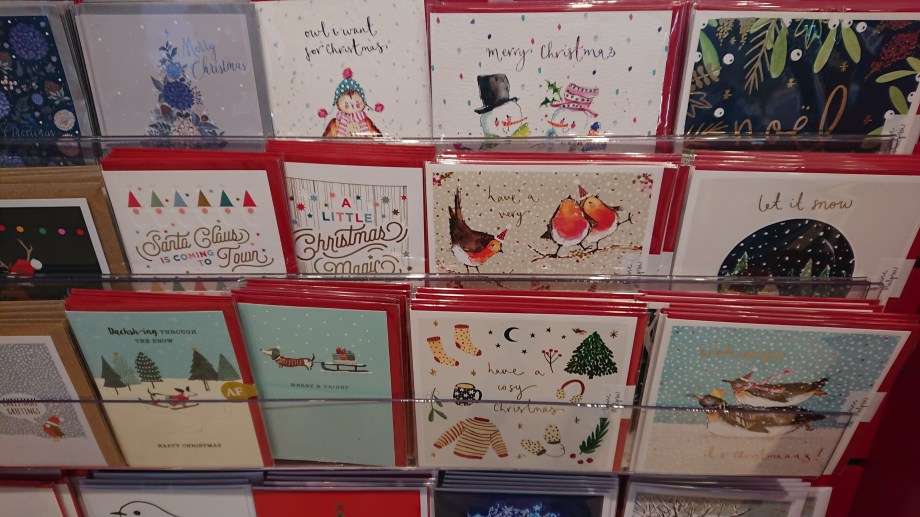
In addition, postmen in Victorian England had bright red uniforms which led to them being nicknamed ‘Robins’. Many of the early cards showed the avian robins delivering cards. Robins were already associated with Christmas so featuring them on the early cards only cemented their place in Christmas lore.
Robins are still firmly entrenched in Christmas imagery and traditions today. But now you know some of the reasons they dominate the Christmas card market. Also, before you go, robins have orange chests but they were nicknamed ‘robin redbreasts’ because there wasn’t yet a word to describe the colour orange. That is my last robin fact of the day.
Let me know if seeing a robin makes you smile, or is there another bird or animal that signals Christmas to you?
- Birdwatch Ireland
- Moss, Stephen, The Robin: A Biography, Penguin, 2017.
- Russ, Jane, The Robin Book, Graffeg Limited, 2019.
- Mac Coitir, Niall, Ireland’s Birds: Myths, Legends, and Folklore, Collins Press, 2015.
- Rodney Bennett, “Robin’s Song.” The Robin Book, edited by Jane Russ, Graffeg Limited, 2019.
- Ireland’s Wildlife
 She Kept Christmas